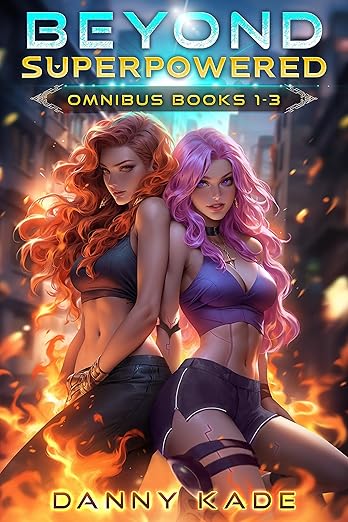



About the Harem trope
The harem dynamic centers a single protagonist surrounded by multiple romantic interests, each a distinct personality with their own appeal, history, and claim on the protagonist's attention. The trope builds its pleasure around an ensemble of relationships rather than a single pairing, and the interplay among the suitors — and between each of them and the lead — becomes the engine of the story. It is a staple of certain reader communities, particularly in the gaming-adjacent and adventure-driven corners of speculative fiction, where it often braids into LitRPG and progression-style storytelling.
The appeal is variety and wish-fulfillment, the fantasy of being genuinely wanted and the pleasure of an ensemble cast of relationships, each offering something different. A well-built version gives every member of the ensemble real personality and agency, so the dynamic is about distinct people and the bonds among them rather than mere accumulation. The science-fiction frame opens fresh possibilities — a crew bound by a long voyage, a found group navigating a dangerous world, a cast of allies whose connections deepen as the stakes rise — and lets the relationships develop against a backdrop of adventure and shared peril.
Distinct from a love triangle, which is defined by the agony of an exclusive choice, the harem dynamic is defined by an ensemble that need not resolve into a single pick, and the tension comes from balancing many bonds rather than choosing among them. It thrives in serialized, adventure-forward storytelling where relationships accumulate alongside the plot. The trope endures within its readership because it delivers a particular and reliable set of pleasures — connection, variety, banter, and the warmth of being at the center of a circle of people who, for their own distinct reasons, have chosen to stay. It knows its audience and serves them faithfully, and within those terms it can be genuinely warm, funny, and far more sharply drawn than its detractors expect.
Why readers love it
- One lead, many romantic interests
- An ensemble of relationships
- Variety, banter, and wish-fulfillment
- Balancing bonds rather than choosing