



About the Grimdark trope
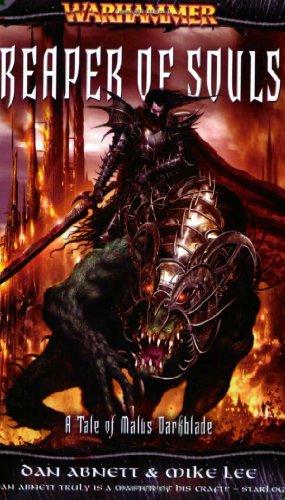
Grimdark is science fiction with the romance scraped off. Its worlds are brutal, its violence unglamorous, and its moral landscape relentlessly grey — there are no shining heroes here, only survivors, opportunists, and the compromised. The trope insists on a hard, unsentimental view of power and human nature, refusing the comforts of clean victory or redemptive arc. War is futile, institutions are corrupt, and idealism is a luxury that rarely survives contact with the world. The vast, bleak machinery of the Warhammer 40,000 universe is grimdark made canonical, a galaxy of endless war where even the protectors of humanity are monstrous.
The appeal, for its readers, is a bracing honesty and a particular kind of intensity. Grimdark refuses to flinch, and that refusal can feel truer than sunnier fiction — a confrontation with cruelty, consequence, and the cost of survival that more hopeful stories smooth away. Joe Haldeman's The Forever War, though not always labeled grimdark, shares its unblinking attention to the waste and absurdity of conflict. The mode delivers stakes that feel genuinely lethal, because in a grimdark world anyone can fall, nothing is guaranteed, and the absence of a safety net keeps every page taut with dread.
Distinct from a story that simply features a morally gray protagonist, grimdark makes the bleakness total — it is the weather of the whole world, not the shading of a single character. And distinct from horror, its dread is moral and social rather than supernatural. The trope is not for every reader, and at its worst it can curdle into mere nihilism, but at its best it offers something valuable: an unsparing mirror, a refusal of easy comfort, and the strange catharsis of staring directly at the dark and finding, in a flicker of stubborn humanity, that it is still worth staring back.
Why readers love it
- A world stripped of comfort
- Unsentimental about violence and power
- Bracing honesty over easy heroism
- Stakes that feel genuinely lethal