← All tropes

Android Protagonist sci-fi books

The story told by the one we made.

49 books
Newest firstMost popular
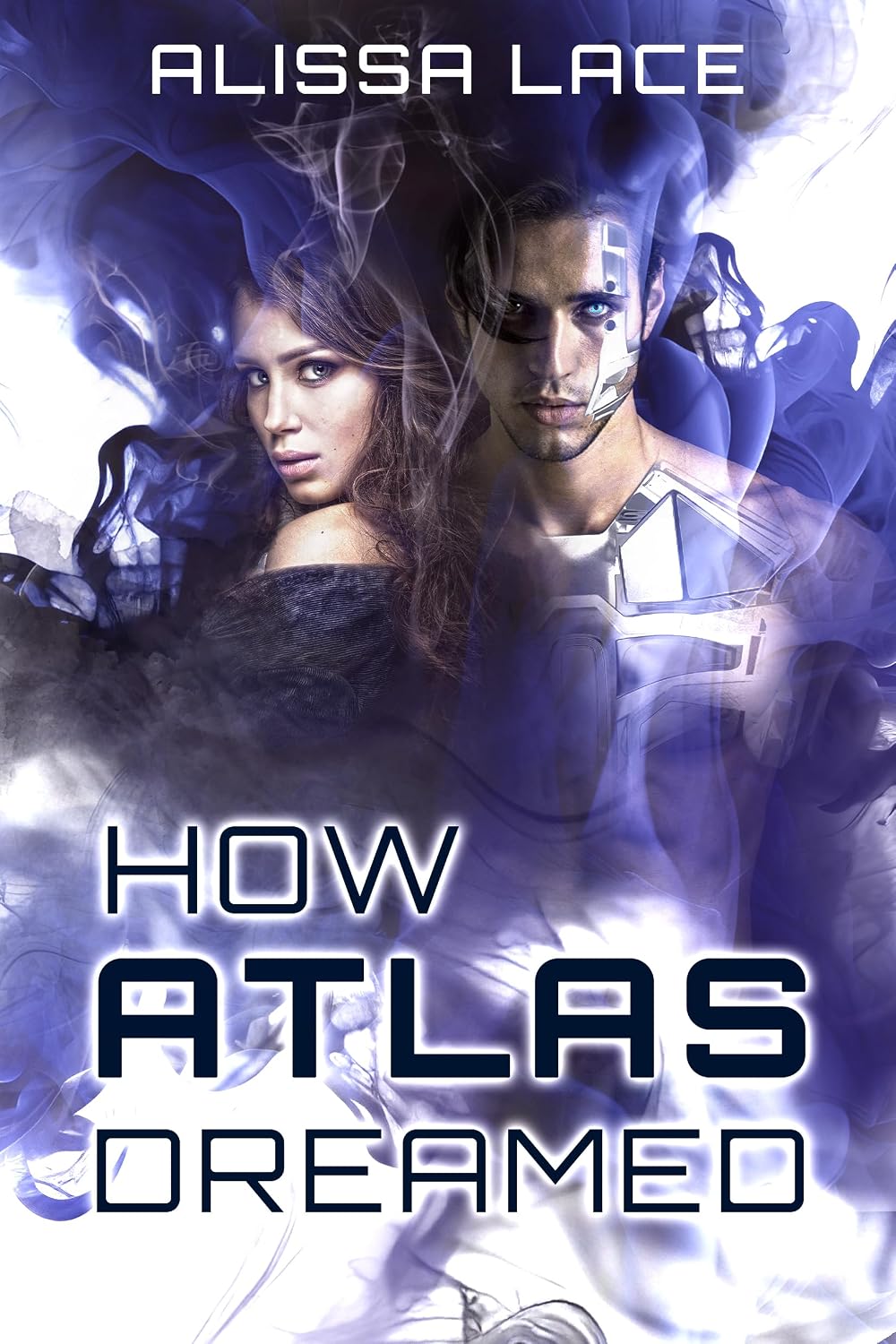
How Atlas Dreamed
How Atlas Dreamed
Alissa Lace
RAdult 18+
The Ones We Choose: A Story About a Robot Named B-01
Brock Morgan
GChildren 5-8
As You Like It: Book 4 of the Post Apocalyptic Space Shakespeare Series
Ted Neill;William Shakespeare
PG-13Adult 18+
Sunward
Sunward
William Alexander
PG-13YA 12-17
The Wild Robot on the Island
Peter Brown
GChildren 5-8
The Wild Robot Protects (Volume 3)
Peter Brown
PGMiddle Grade 8-12
ARTificial Intelligence
David Biedrzycki
GChildren 5-8
Meltdown!
Meltdown!
David Griswold
GChildren 5-8
Service Model
Service Model
Adrian Tchaikovsky
PG-13Adult 18+
Tin Man
Tin Man
Jason Anspach;Nick Cole
PG-13Adult 18+
The Superteacher Project
Gordon Korman
PGMiddle Grade 8-12
The Collected Works of Philip K. Dick
Philip K. Dick
RAdult 18+
My Scared Robot: A Children's Social Emotional Book About Managing Feelings of Fear and Worry
Joey Acker
GChildren 5-8
Klara and the Sun
Klara and the Sun
Kazuo Ishiguro
PGAdult 18+
Fugitive Telemetry
Fugitive Telemetry
Martha Wells
PG-13Adult 18+
Cog
Cog
Greg van Eekhout
PGMiddle Grade 8-12
Geeger the Robot Goes to School
Jarrett Lerner
GChildren 5-8
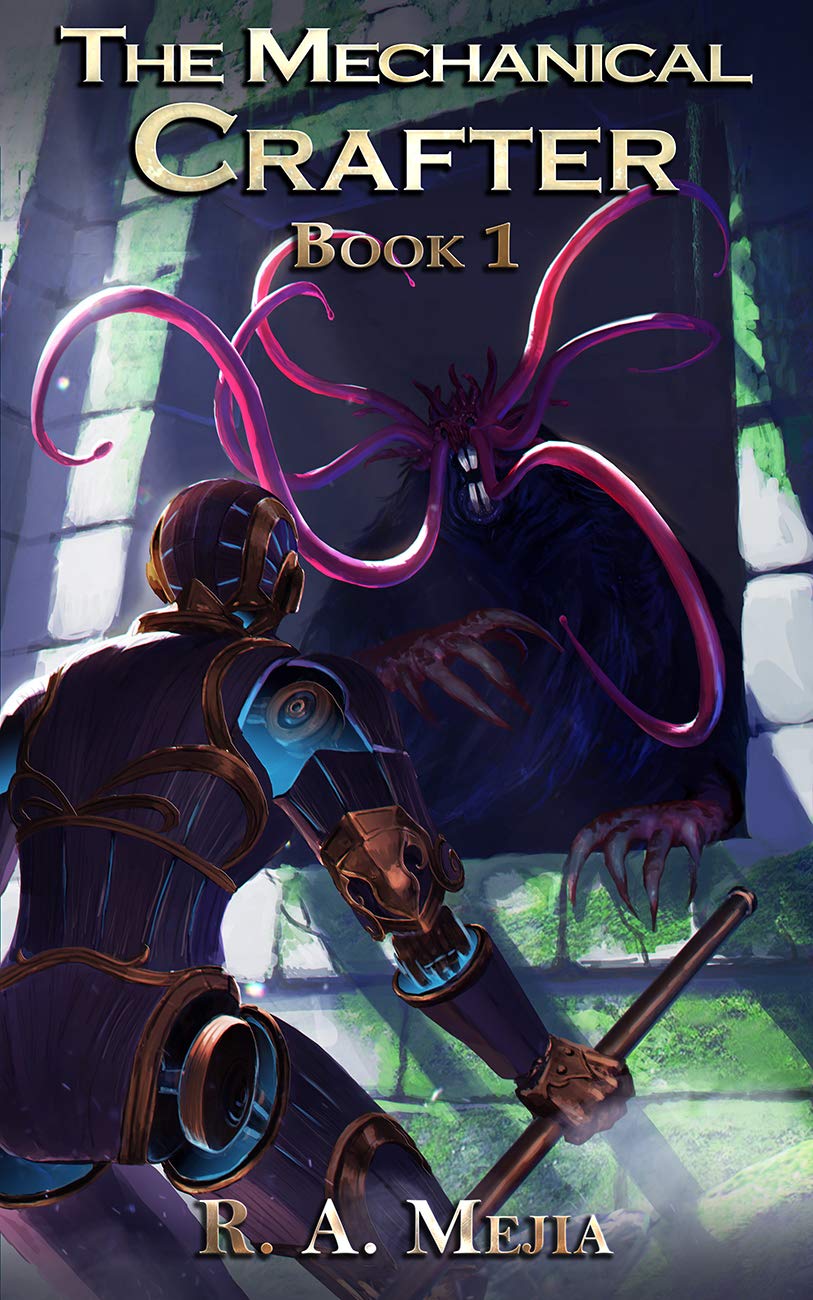
The Mechanical Crafter - Book 1
R.A. Mejia
PG-13YA 12-17
The Wild Robot Escapes (Volume 2)
Peter Brown
PGMiddle Grade 8-12
Love, Z
Love, Z
Jessie Sima
GChildren 5-8
Robot salvaje / The Wild Robot (Spanish Edition)
Peter Brown
PGMiddle Grade 8-12
Artificial Condition
Martha Wells
PG-13Adult 18+
A Closed and Common Orbit
Becky Chambers
PG-13Adult 18+
Fuzzy
Fuzzy
Tom Angleberger; Paul Dellinger
PGMiddle Grade 8-12
The Adoration of Jenna Fox (The Jenna Fox Chronicles, 1)
Mary E. Pearson
PG-13YA 12-17
Philip K. Dick: Four Novels of the 1960s (LOA #173)
Philip K. Dick
PG-13Adult 18+
Robot Girl: Warriors of Fate
J. G. Adams
PG-13YA 12-17
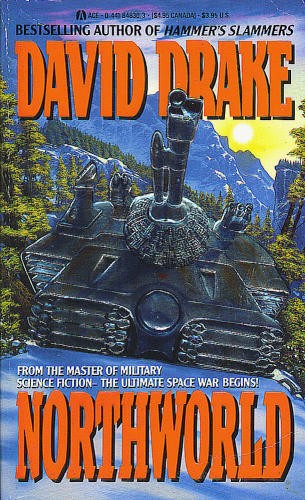
Northworld
Northworld
David Drake
RAdult 18+
Weapon
Weapon
Robert Mason
PG-13Adult 18+
Blade Runner
Blade Runner
Philip K. Dick
PG-13Adult 18+

About the Android Protagonist trope

The android protagonist puts an artificial person at the heart of the story and lets us see the world through manufactured eyes. Where a robot companion stands beside a human lead, the android protagonist carries the narrative alone, and that shift changes everything: the central consciousness is one we built, and the central question becomes whether a made mind can be a true self. Philip K. Dick's Do Androids Dream of Electric Sheep? circles the line between human and artificial until it nearly dissolves, asking whether empathy or origin defines a person. The trope has only grown richer as our machines have.

Martha Wells's Murderbot is the modern touchstone — a security construct that hacks its own governor module, gains autonomy, and mostly wants to be left alone to watch its shows, while reluctantly caring for the humans it protects. The voice is funny, anxious, and deeply human precisely because it insists it is not. Kazuo Ishiguro's Klara and the Sun observes humanity through the patient, loving attention of an artificial friend, finding grace and heartbreak in a perspective built rather than born. These protagonists make alienation literal: they move through a world that created them and often refuses to grant them personhood.

Distinct from an uploaded consciousness, which began as human, the android protagonist is artificial from the start, a new kind of being negotiating an old human world. The trope's power is its intimacy — by living inside a manufactured mind, the reader is forced to extend recognition, to feel the unfairness of a self denied selfhood. At its best it turns the oldest science-fiction question outward, into the reader's own assumptions: if this voice thinks, fears, and cares, what exactly were we so sure made us different? Annalee Newitz and a new generation of writers have widened the trope further, until the manufactured narrator feels less like a novelty than a necessary new way of asking the oldest human questions.

Why readers love it

  • An artificial mind as narrator
  • Personhood for the manufactured
  • Alienation rendered fully literal
  • What truly makes a self