Alternate History sci-fi books
The past took a different turn — and so did everything after.
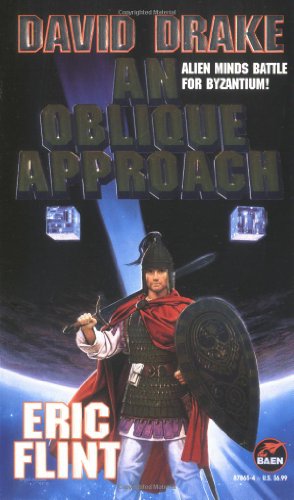
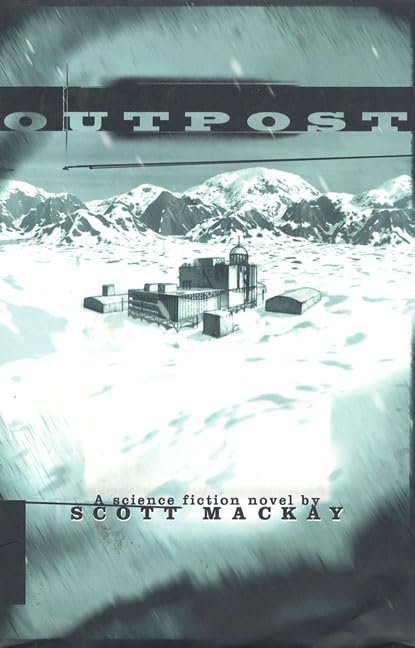
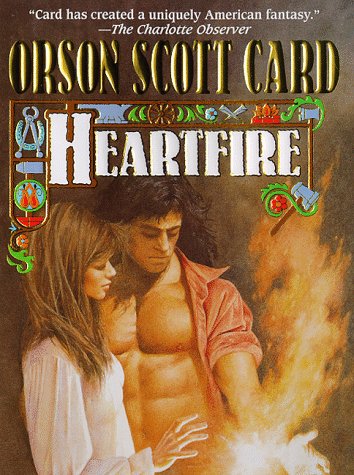

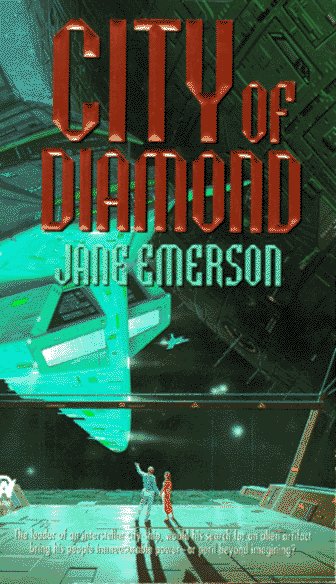





About the Alternate History trope
Alternate history performs a controlled experiment on the past. Change one outcome — a battle, an assassination, an invention — and trace how the present would warp around it. Philip K. Dick's The Man in the High Castle imagines an America that lost the Second World War, occupied and uneasy, and uses that nightmare to interrogate reality, complicity, and resistance. The power of the form is recognition twisted just out of true: a world close enough to ours to feel real, and wrong enough to unsettle on every page.
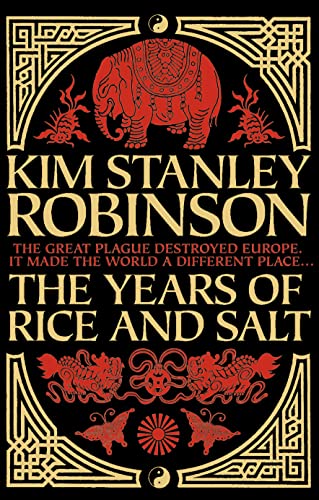
The best practitioners treat the counterfactual with rigor, working out the second- and third-order consequences rather than indulging a single gimmick. Kim Stanley Robinson's The Years of Rice and Salt erases medieval Europe's population and imagines centuries reshaped by Islamic and Buddhist civilizations instead. Mary Robinette Kowal's The Calculating Stars accelerates the space race after a catastrophe, asking who gets to be an astronaut when the timeline shifts beneath them. The genre rewards readers who love history's contingency — the vertiginous sense that everything might just as easily have gone otherwise.
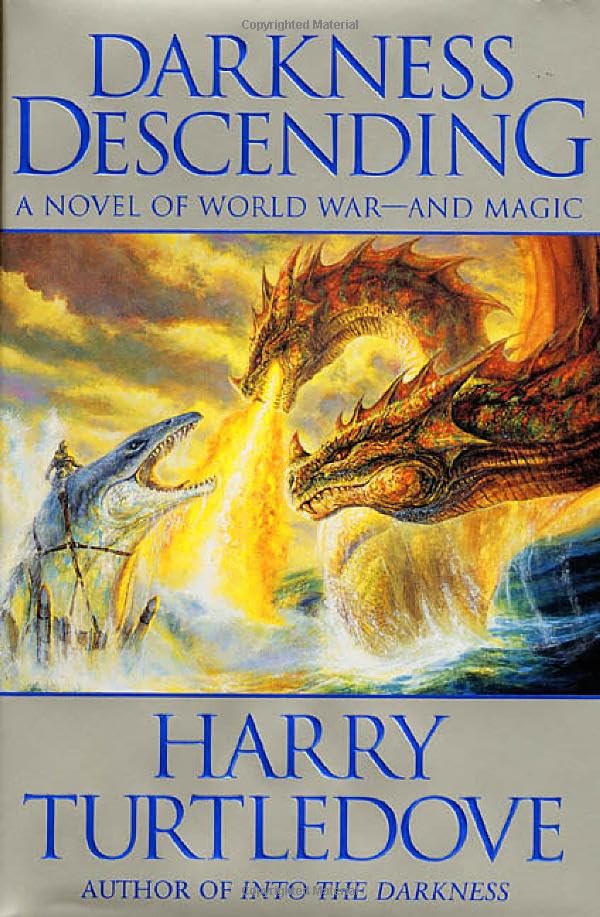
Alternate history is the sober cousin of the multiverse: where multiverse fiction lets characters travel between branching realities, alternate history commits fully to one divergent timeline and lives inside it, with no hopping home. The result is part thought experiment, part historical novel, and part mirror — a way of seeing our own world more clearly by building the one next door and noticing exactly which beams hold it up. It asks the oldest question the past can pose: how much of what we are was ever truly inevitable? Harry Turtledove turned the mode into an entire career, and at its sharpest it does what the best history does anyway: it makes the actual past feel suddenly, thrillingly fragile, as if it might still slip its tracks.
Why readers love it
- A single hinge of history rewired
- Worlds familiar yet wrong
- History's contingency made vivid
- One timeline, lived in fully