← All tropes

Alternate History sci-fi books

The past took a different turn — and so did everything after.

240 books
Newest firstMost popular
The Dragons of Winter (Chronicles of the Imaginarium Geographica, The)
James A. Owen
PGMiddle Grade 8-12
Scarlet
Scarlet
Marissa Meyer
PG-13YA 12-17
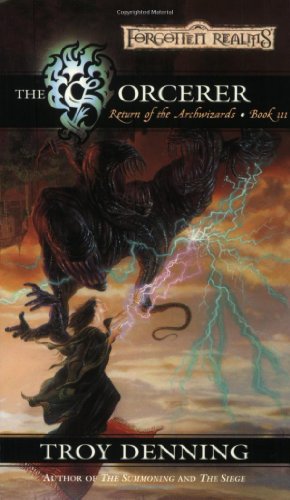
The Sorcerer
The Sorcerer
Jack Whyte
PG-13Adult 18+
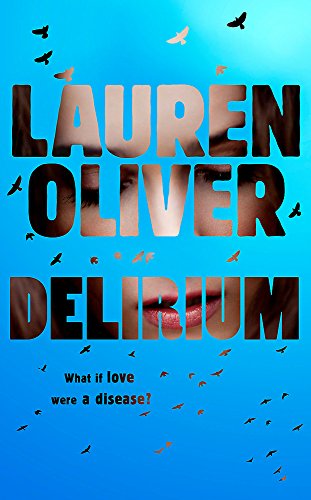
Delirium
Delirium
Dee Shulman
PG-13YA 12-17
Stormdancer
Stormdancer
Jay Kristoff
RAdult 18+
The Dragon's Apprentice (5) (Chronicles of the Imaginarium Geographica, The)
James A. Owen
PG-13YA 12-17
The Yiddish Policemen's Union
Michael Chabon
RAdult 18+
Time Vandals
Time Vandals
Craig Cormick
PGMiddle Grade 8-12
The Martian
The Martian
Andy Weir
GAdult 18+
Leviathan
Leviathan
Scott Westerfeld
PG-13YA 12-17
Ganymede
Ganymede
Cherie Priest
PG-13Adult 18+
Goliath
Goliath
Scott Westerfeld
PG-13YA 12-17
Lady of Devices: A steampunk adventure novel (Magnificent Devices)
Shelley Adina
PGYA 12-17
Incarceron
Incarceron
Catherine Fisher
PG-13YA 12-17
Whirlwind: A thrilling read for the whole family
Robert Liparulo
PG-13YA 12-17
Abraham Lincoln: Vampire Hunter
Seth Grahame-Smith
RAdult 18+
Sent
Sent
Margaret Peterson Haddix
PGMiddle Grade 8-12
Path of Destruction
Path of Destruction
Drew Karpyshyn
PG-13YA 12-17
Philip K. Dick: Four Novels of the 1960s (LOA #173)
Philip K. Dick
PG-13Adult 18+
Song of Susannah
Song of Susannah
Stephen King
PG-13Adult 18+
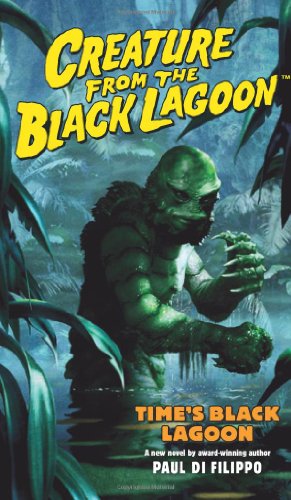
Creature from the Black Lagoon: Time's Black Lagoon
Paul Di Filippo
RAdult 18+
King of the Vagabonds
Neal Stephenson
RAdult 18+
The Complete Chronicles of Narnia
C. S. Lewis
PGMiddle Grade 8-12
A Sound of Thunder and Other Stories
Ray Bradbury
PGMiddle Grade 8-12
Einstein's Dreams (Vintage Contemporaries)
Alan Lightman
PGAdult 18+
Kindred
Kindred
Octavia E. Butler
RAdult 18+
Cloud Atlas
Cloud Atlas
David Mitchell
RAdult 18+
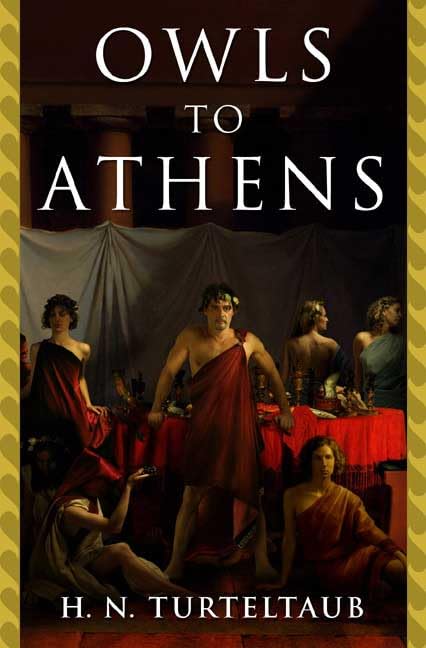
Owls to Athens
Owls to Athens
Harry Turtledove
RAdult 18+
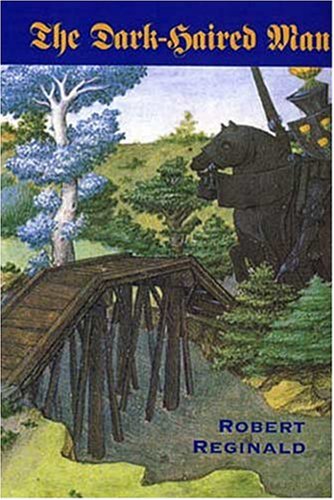
The Dark-Haired Man, or, The Hieromonk's Tale: A Romance of Nova Europe
Robert Reginald
GAdult 18+
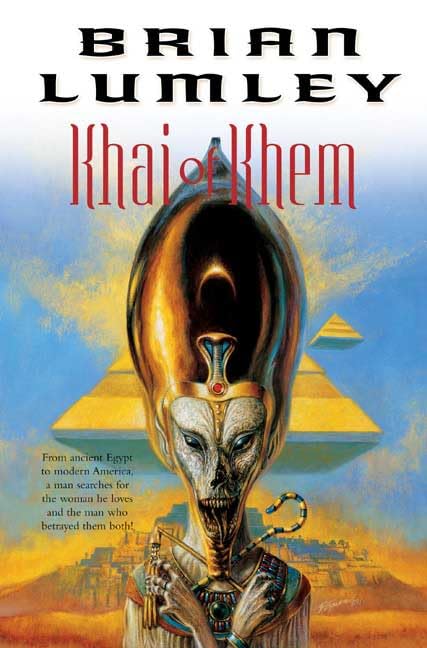
Khai of Khem
Khai of Khem
Brian Lumley
RAdult 18+

About the Alternate History trope

Alternate history performs a controlled experiment on the past. Change one outcome — a battle, an assassination, an invention — and trace how the present would warp around it. Philip K. Dick's The Man in the High Castle imagines an America that lost the Second World War, occupied and uneasy, and uses that nightmare to interrogate reality, complicity, and resistance. The power of the form is recognition twisted just out of true: a world close enough to ours to feel real, and wrong enough to unsettle on every page.

The best practitioners treat the counterfactual with rigor, working out the second- and third-order consequences rather than indulging a single gimmick. Kim Stanley Robinson's The Years of Rice and Salt erases medieval Europe's population and imagines centuries reshaped by Islamic and Buddhist civilizations instead. Mary Robinette Kowal's The Calculating Stars accelerates the space race after a catastrophe, asking who gets to be an astronaut when the timeline shifts beneath them. The genre rewards readers who love history's contingency — the vertiginous sense that everything might just as easily have gone otherwise.

Alternate history is the sober cousin of the multiverse: where multiverse fiction lets characters travel between branching realities, alternate history commits fully to one divergent timeline and lives inside it, with no hopping home. The result is part thought experiment, part historical novel, and part mirror — a way of seeing our own world more clearly by building the one next door and noticing exactly which beams hold it up. It asks the oldest question the past can pose: how much of what we are was ever truly inevitable? Harry Turtledove turned the mode into an entire career, and at its sharpest it does what the best history does anyway: it makes the actual past feel suddenly, thrillingly fragile, as if it might still slip its tracks.

Why readers love it

  • A single hinge of history rewired
  • Worlds familiar yet wrong
  • History's contingency made vivid
  • One timeline, lived in fully