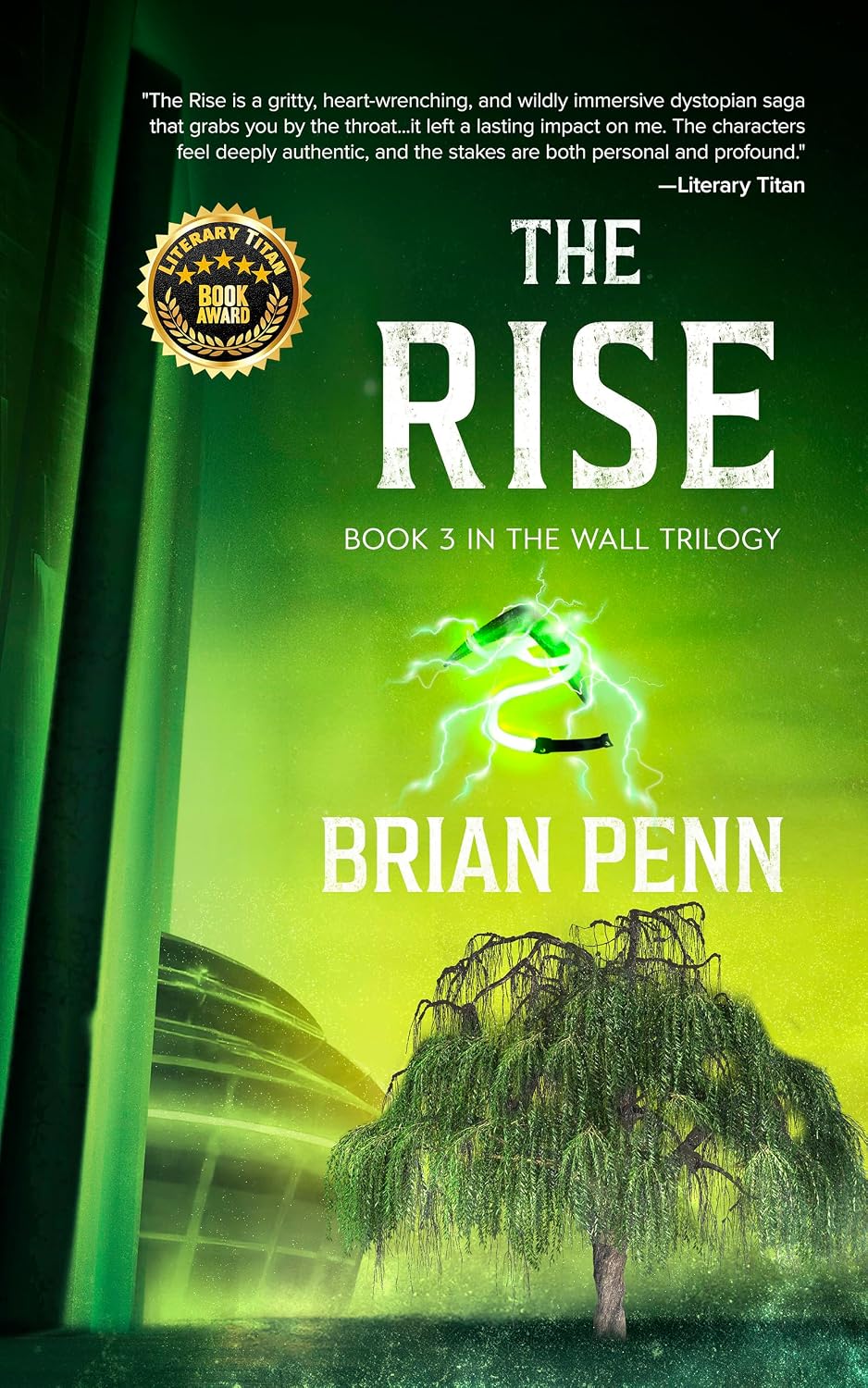
Truth sci-fi books
The hardest thing to find in a universe of shifting data and unreliable narrators isn't a habitable planet or a faster drive — it's the truth. Science fiction has always known this, which is why so many of its greatest stories are, underneath the stars and the science, investigations. Someone needs to know what actually happened, what the official record quietly omits, what the signal really means beneath the layer of static someone added deliberately. The genre builds its worlds with a suspicious precision: if you construct a society from scratch, you can show exactly how power shapes the story it tells about itself, and exactly what it costs the individuals who refuse to believe it.
Truth in science fiction is rarely a clean destination. It tends to be the thing that unravels everything else — the file a colonist wasn't supposed to open, the memory a government swore had been fully erased, the moment a first-contact translation corrects itself and the diplomats realize they've been answering the wrong question for a decade. These are stories about the architecture of deception as much as the revelation that dismantles it: the propaganda built into the language, the history rewritten at the kernel level, the corporate-sponsored reality that most people prefer to the alternative because the alternative is terrifying. The protagonist who keeps pulling threads isn't always rewarded for it. Often they're punished, isolated, asked why they couldn't just let it go. That pressure — personal, political, existential — is where the drama lives.
What this shelf understands is that truth isn't passive. It doesn't wait patiently to be found; it has to be dug for, reconstructed from fragments, held together against enormous institutional force. And once found, it demands something of the person who holds it. That's the weight these books carry: not just the uncovering, but the reckoning with what the uncovering means.
For readers who find the mystery inside the science fiction as compelling as the science — who want protagonists that won't stop asking and stories that respect the price of asking — this is the shelf that doesn't look away.