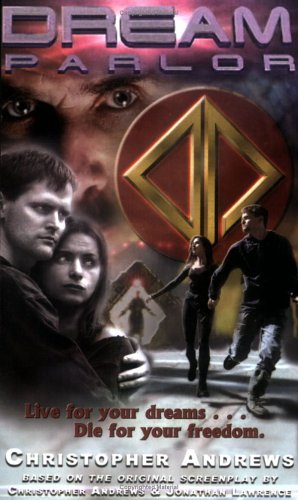
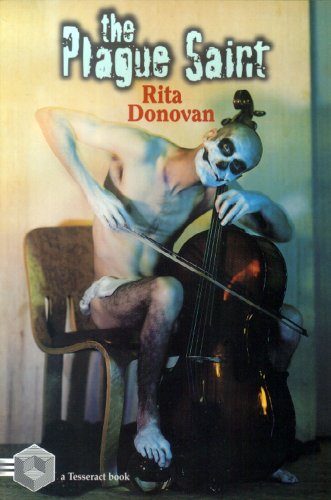
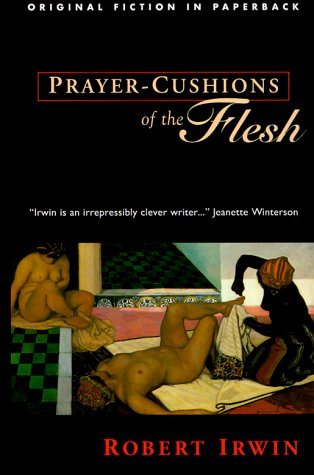
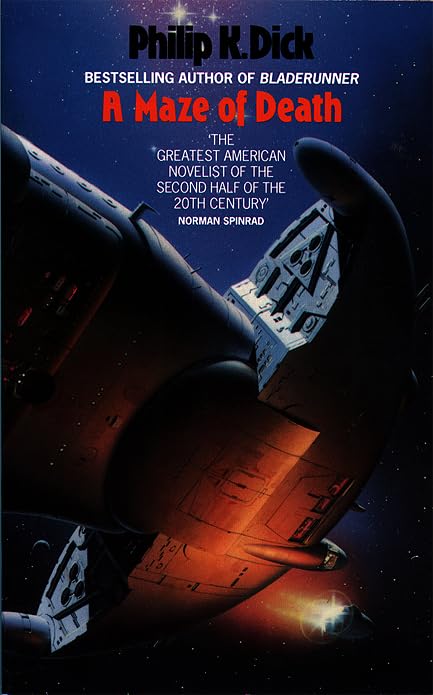
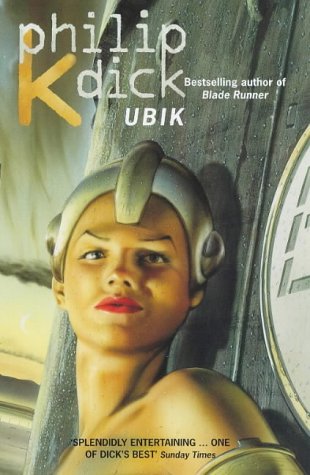
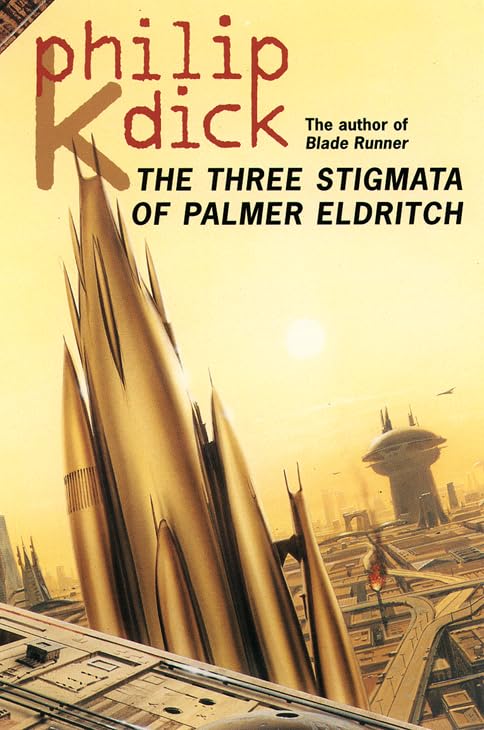
Reality vs Illusion sci-fi books
The oldest trap in science fiction isn't a monster or a weapon — it's a world that feels completely real.
Reality versus illusion is the theme where the genre does its most unsettling philosophical work, because the books here don't just put a character in danger. They put the ground itself under suspicion. What does it mean to trust your senses when your senses can be fed? What do you do with a life fully lived if someone can prove it was assembled — by a corporation, a simulation, a mind you didn't know you were running inside? These are not abstract puzzles. Science fiction plants them in bodies, in relationships, in the moment a protagonist looks at someone they love and wonders whether that person is real or a very good argument for the possibility.
The terrain here is wide and the approaches are wildly different. There's the claustrophobic reveal — the slow tightening as a character collects anomalies, the world's seams starting to show under pressure. There's the social variant, where an entire civilization has been handed a comfortable lie so expertly that questioning it is the only act of genuine rebellion. There's the epistemic horror of discovering you've been the unreliable narrator of your own life. And then there's something stranger still — the stories that complicate the escape, that ask whether a chosen illusion might carry its own kind of truth, whether the dream you built is less real than the cold facts waiting on the other side of waking up.
What binds the shelf is a fascination with perception as a site of power. Someone always benefits from the illusion — and someone always pays. The drama lives in that transaction, in the moment a mind decides what it's willing to believe in order to act, to resist, to remain a self at all.
For readers who pull at loose threads in their thinking, who want fiction that makes the familiar feel provisional — and who understand that the most dangerous rabbit hole is the one that starts with the question "but how would I know" — this shelf has no solid floor, and that's precisely the point.