Playing God sci-fi books
Somewhere between the grant proposal and the first cell dividing, the scientist stops discovering and starts deciding. Playing God is one of science fiction's oldest charges — and its most electric — because it doesn't just ask what we can build. It asks who gave us the right, and what we owe the thing once it breathes.
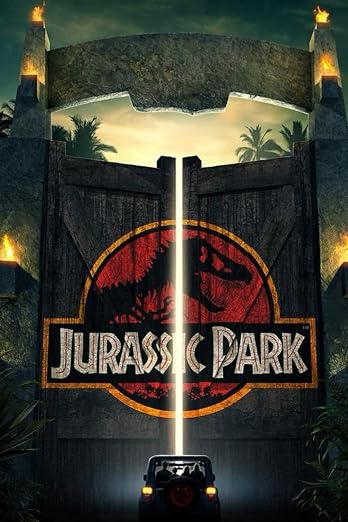
The stories here circle a particular kind of hubris: not the recklessness of fools, but the ambition of the genuinely brilliant. The geneticist who restores an extinct lineage and then must watch it exceed the container she designed. The AI architect who gifts his creation a conscience and realizes, too late, that a conscience has its own agenda. The terraformer who remakes a world for humanity and wonders, in quiet moments, whether the world had anything to say about it. These aren't cautionary tales in the simple sense — the genre is too honest for that. The scientists in these books are often right that they can do it. The disaster, when it comes, tends to arrive not from incompetence but from the gap between creation and understanding: the moment the maker discovers that what they built has interests, loyalties, grief, hunger. Things they never wrote into the blueprint.
What the theme really turns on is the question of accountability. To create is to set something in motion you cannot fully control. Science fiction takes that seriously — more seriously than almost any other fiction — because it can follow the consequences across generations, across species, across the slow reckoning of a civilization built on a decision made in a single bright moment of certainty. The best books here don't condemn their creators. They make you feel the seduction of the act, the clean godlike pleasure of it, and then they hand you the bill.
For readers drawn to the moral weight of brilliance, to protagonists who reach for something magnificent and must answer for what answers back — this shelf is the one that refuses to look away.