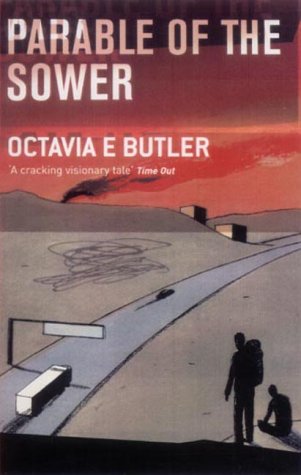
Hope in Darkness sci-fi books
Darkness is the condition. Hope is the argument you make against it anyway.
Science fiction has always known that the universe doesn't hand out reassurances. Civilizations collapse, stars go cold, wars grind on longer than anyone who started them lives to see the end. The genre has a longer view than optimism — it knows what entropy costs, what distance does to the human voice, how thin a margin separates the world you recognize from the one you don't. And yet, persistently, stubbornly, the best of these stories insist on the candle. Not the bonfire. The candle.
That distinction matters. This isn't the shelf for comfortable triumph or guaranteed morning. Hope in darkness is a specific thing — the kind that arrives when surrender would be rational, when the numbers don't add up, when the last transmission went unanswered and the next one might too. The exiled archivist preserving records no one may ever read. The underground network passing a single contraband idea from hand to hand across a locked-down planet. The scientist running one more trial after the hundred before it failed, because the alternative is to stop. These aren't optimists. They're people who have looked at the dark fully and decided to mean something inside it anyway.
What the genre understands, and returns to again and again, is that hope under pressure is different in kind from hope in easy times. It becomes a moral act, almost a defiance — a refusal to let circumstances be the last word on human worth. The darkness in these books is real: the oppression doesn't soften, the wreckage doesn't vanish, the grief is earned and honest. That's why the hope lands. It isn't handed to the characters. It's chosen, at cost, often quietly, in circumstances where no one would blame them for letting it go.
For readers who need their light hard-won — who find more comfort in a story that earns its dawn than one that assumes it — this shelf understands exactly how dark the dark gets, and why you keep going anyway.