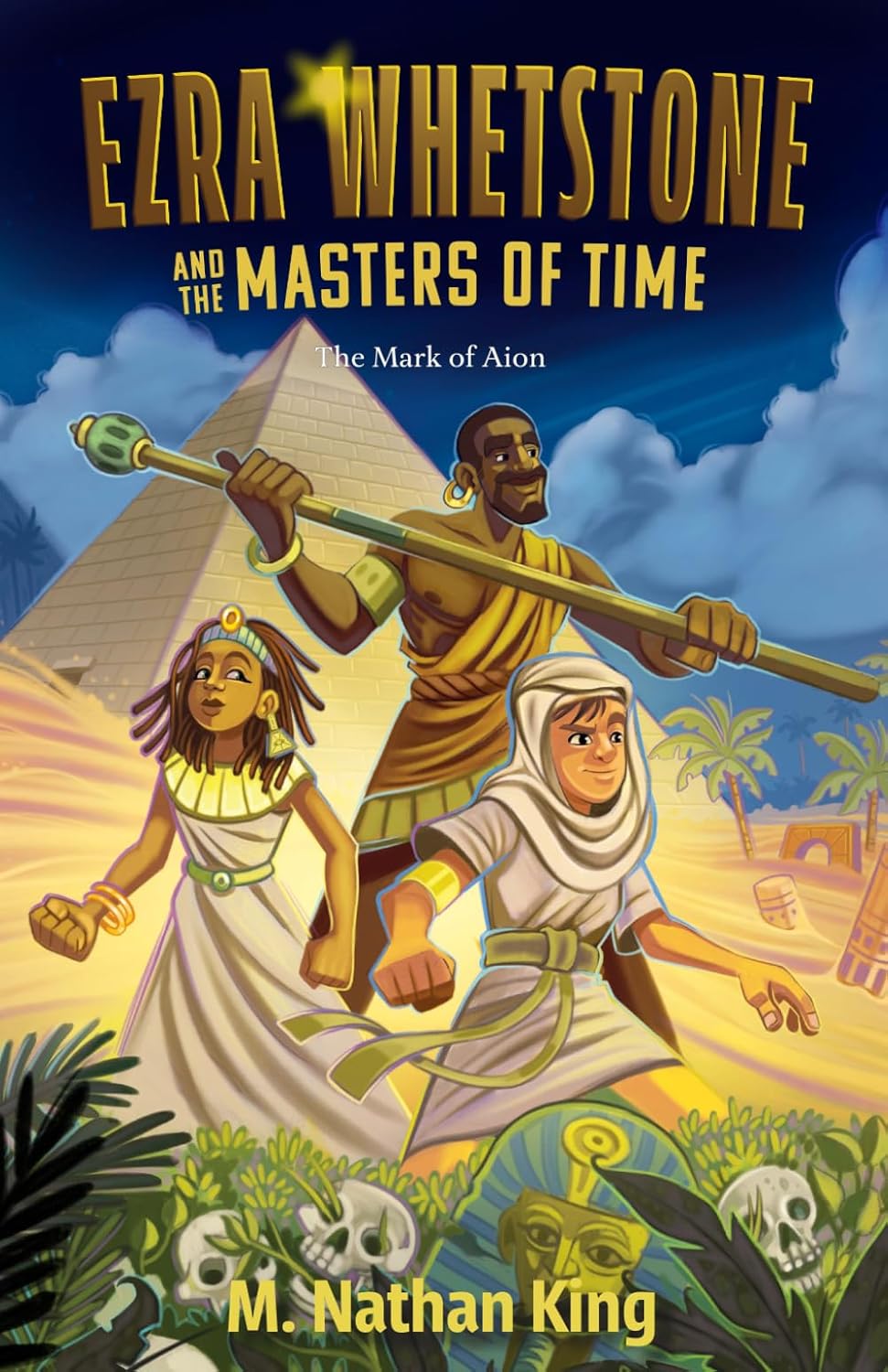
History sci-fi books
The past is not another country — it's another universe, and science fiction has the only passport that gets you in.
History as a theme in SF is something richer than period detail or accurate costuming. It's the genre's insistence on treating the past the way it treats the future: as a system, a mechanism, a set of forces that could have gone differently and might still. When a story asks what happens when a time traveler tugs on a single thread, or when an artificial intelligence reconstructs a lost civilization from fragments of pottery and code, or when the survivors of a collapsed empire argue over which version of the past gives them the right to rule — that's not historical fiction. That's something more unsettling, and more honest. History here is alive, contested, and dangerous.
The questions these books press on are ones historians have always feared. Who controls the record? What happens to a people whose past has been erased by conquest, by catastrophe, by deliberate forgetting — and what happens when they get it back? The genre finds the seams where the archive breaks down and slips through them, into counterfactuals that sting, into recovered voices that were never supposed to survive. A society built on a myth of its own origins. A war whose victors wrote the only account. A colony ship carrying the condensed memory of a dead Earth that no one aboard has ever seen.
What pulls readers here is that SF doesn't sentimentalize the past or treat it as fixed. It treats time as terrain — something to be mapped, disputed, occasionally detonated. The weight of what came before isn't backdrop; it's the engine of everything that follows. These stories understand that civilizations are narratives, and narratives can be rewritten, and the power to do that is the oldest power there is.
If you're drawn to stories where the stakes of the present turn out to hinge on something buried centuries deep — where memory is a weapon and the archive is a battlefield — this shelf is waiting.