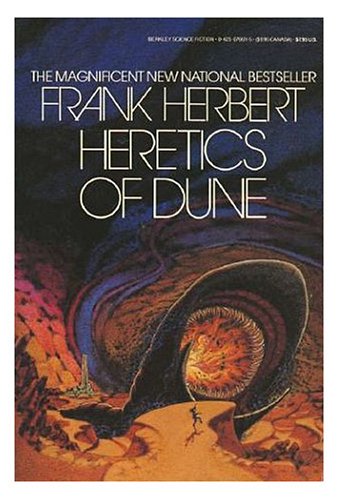
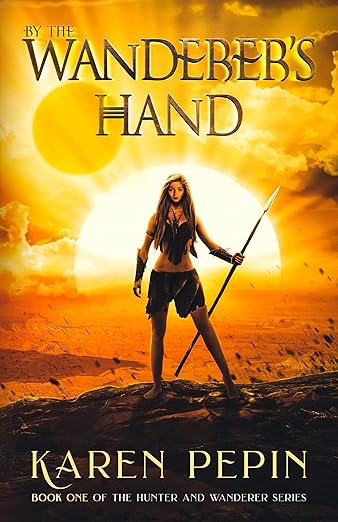
Environmental Collapse sci-fi books
The planet isn't dying dramatically. It's dying in the margins — a reef that doesn't bounce back, a monsoon that arrives late, then later, then not at all. Science fiction understood this long before it became a headline, and the books on this shelf are proof: the genre has been mapping the slow arithmetic of environmental collapse for decades, running the numbers to their terrible conclusions and then asking who gets to live inside them.
What distinguishes this theme from simple disaster fiction is its insistence on causality. These aren't stories of asteroid strikes or sudden catastrophe from outside — the damage here is authored. The drowned coastline, the unbreathable sky, the soil that won't hold a seed: they have a supply chain, a boardroom, a century of decisions made by people who'd be dead before the bill arrived. That accountability is what gives environmental collapse fiction its particular moral weight. The antagonist isn't a comet or a virus. It's us, compounded over time, and the characters on these pages inherit what we built.
The range is vast. At one end you find the survivor in the desiccated wasteland, rationing water with the same bleak ingenuity that marks any great survival story — but knowing the desert is a human artifact, which makes every swallow of water carry a different kind of bitterness. At the other end, you find the architects of last-ditch restoration: the ecological engineers seeding new forests from orbit, the communities building governance from scratch because the old structures failed the first time. Between those poles live the political stories, the grief stories, the furious stories — narratives about who bears the cost and who got to profit, about whether the knowledge that things could have been different is a wound or a compass.
Science fiction has always been at its best when it makes the abstract livable, when it turns a systems problem into a face. This shelf does exactly that.
For readers who want their urgency earned rather than shouted — who need stories that feel the weight of what's already lost while still asking what might yet be salvaged — these are the books that take the long view, and refuse to look away.