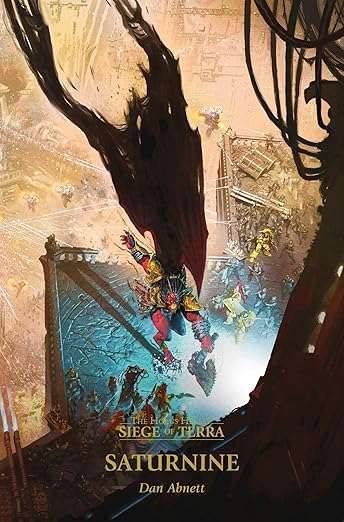
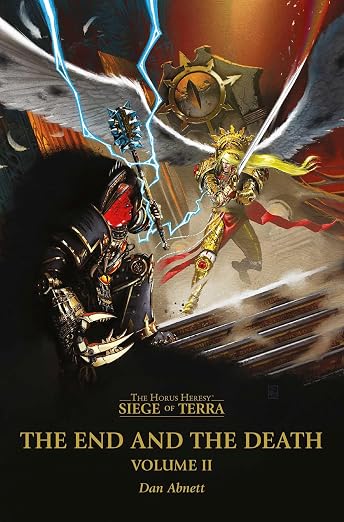
Corruption sci-fi books
Power doesn't corrupt cleanly. It seeps — through institutions, through compromises that seemed reasonable at the time, through the slow arithmetic of small betrayals that adds up to something monstrous before anyone said the word out loud. Science fiction has always understood that corruption isn't just a political problem; it's a structural one, a systems problem, the kind that hides in the machinery until the machinery is the problem. The genre runs this experiment at every scale — the colony administrator who starts skimming rations to keep order, the corporation that began with a mission statement and ended with a body count, the democratic council that voted its last honest vote before anyone in the history books was born.
What makes corruption so alive in SF is the genre's gift for architecture. Build a world from scratch and you can trace exactly where the rot entered — the charter that had the loophole, the algorithm that optimized for profit until optimizing for profit was all it did, the revolution that devoured its principles before it finished devouring its enemies. These stories are diagnostic. They follow the money, the leverage, the quiet meeting where someone decided that the right outcome justified the wrong method — and then follow the consequences two generations down, when the original sin is a founding myth and the people still paying for it don't even know the original bargain.
But corruption here is never just institutional. The genre's sharpest work maps it onto individuals: the idealist who negotiated with power and came out someone else, the enforcer who mistakes loyalty to the hierarchy for loyalty to something worth keeping, the whistleblower who discovers that knowing the truth and surviving the truth are different problems. The pull of complicity, the slow self-persuasion, the moment when a person becomes the thing they once opposed — SF renders those turns with a precision that purely realist fiction can't match, because it can strip context down to its essentials and make the pattern undeniable.
For readers who want their politics unflinching, their protagonists genuinely compromised, and their world-building to double as a cautionary blueprint — this shelf rewards the looking.