Social SF sci-fi books
The future as a laboratory for how we live together.



















About the Social SF trope
Social science fiction runs its experiments not on rocket engines but on societies. Its central question is anthropological: change one fundamental thing about how humans organize — gender, property, governance, kinship — and follow the consequences with rigor. Ursula K. Le Guin is the towering figure here. The Left Hand of Darkness imagines a world without fixed sex and traces how that single difference reshapes politics, intimacy, and trust. The Dispossessed sets an anarchist moon against a capitalist planet and refuses to let either off easy, building a genuine argument rather than a sermon.
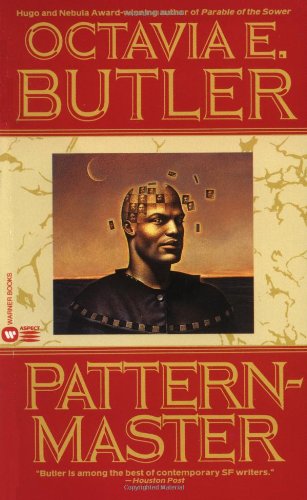
What distinguishes social SF from softer character-driven work is the deliberateness of the premise. The society is the speculation, constructed to illuminate something about our own arrangements by altering it and watching what breaks. Octavia Butler interrogates power, hierarchy, and survival through communities under pressure. Margaret Atwood follows social forces to their unsettling ends. Kim Stanley Robinson treats economics and political structure as material worthy of the same precision other writers lavish on physics, dramatizing how a commune or a constitution might actually function under strain.
The reward for the reader is the rare pleasure of thinking made vivid. These books let you live inside a way of organizing human life that does not exist, long enough to feel its textures and its frictions, and then to look back at your own world with sharper eyes. They tend to resist tidy resolution, because real social questions do. Instead they offer immersion in a coherent alternative — a working model of another way to be human together — and trust the reader to draw the comparisons. Becky Chambers carries the tradition forward in a gentler key, building societies you would actually want to live in and quietly asking why ours fall short. It is the genre at its most radical, using the future to interrogate what we have simply assumed about the present.
Why readers love it
- Society itself as the experiment
- Gender, power, and governance reimagined
- Thought experiments made vivid
- Sharper eyes on our world