← All tropes

Hostile Planet sci-fi books

When the planet itself is the antagonist.

343 books
Newest firstMost popular
Monument 14
Monument 14
Emmy Laybourne
PG-13YA 12-17
Once Humans
Once Humans
Massimo Marino
RAdult 18+
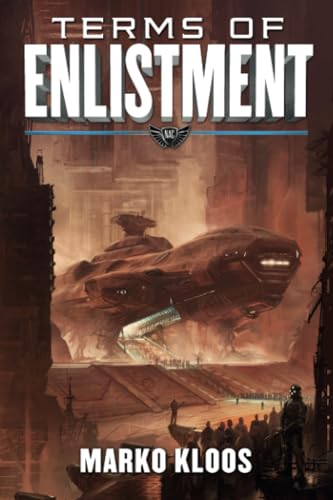
Terms of Enlistment
Terms of Enlistment
Marko Kloos
RAdult 18+
The Final Storm
The Final Storm
Wayne Thomas Batson
PGMiddle Grade 8-12
Wrinkle in Time / Wind in the Door / Swiftly Tiltling Planet
Madeleine L'Engle
PGMiddle Grade 8-12
Barsoom Series Collection: 7 John Carter Stories Fully Illustrated - a Princess of Mars, the Gods of Mars, the Warlord of Mars, Thuvia, Maid of Mars, the Chessmen of Mars, the Master Mind of Mars and Yellow Men of Mars
Edgar Rice Burroughs
PG-13Adult 18+
The Green Book
The Green Book
Jill Paton Walsh
PGMiddle Grade 8-12
Chimera
Chimera
Sarah Stegall
PG-13Adult 18+
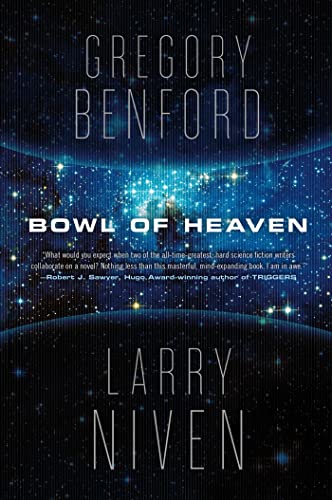
Bowl of Heaven
Bowl of Heaven
Gregory Benford; Larry Niven
PG-13Adult 18+
I Am Wolf
I Am Wolf
Joann H. Buchanan
PG-13YA 12-17
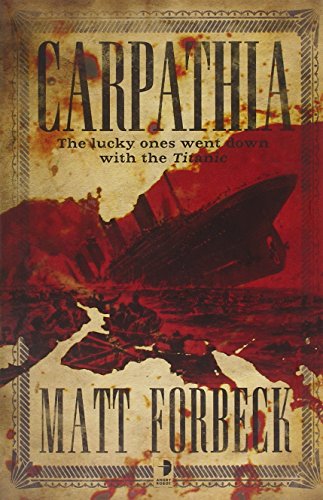
Carpathia
Carpathia
Matt Forbeck
RAdult 18+
Anomaly (First Contact)
Peter Cawdron
PGAdult 18+
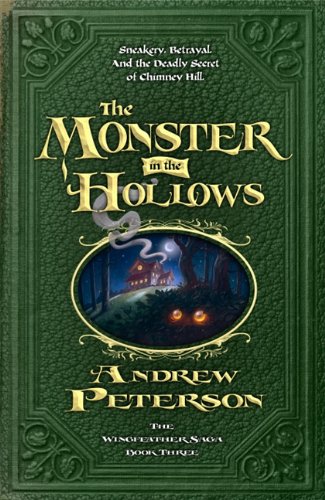
The Monster in the Hollows
Andrew Peterson
PGMiddle Grade 8-12
Soma
Soma
Charlee Jacob
XAdult 18+
Anvil Gate
Anvil Gate
Karen Traviss
RAdult 18+
Helsreach
Helsreach
Aaron Dembski-Bowden
RAdult 18+
BioHell
BioHell
Andy Remic
Hard RAdult 18+
Pushing Ice
Pushing Ice
Alastair Reynolds
PG-13Adult 18+
Star Marines
Star Marines
Ian Douglas
RAdult 18+
Hunters of Dune
Hunters of Dune
Brian Herbert; Kevin J. Anderson
PG-13Adult 18+
The Grays
The Grays
Whitley Strieber
PG-13Adult 18+
Accelerando
Accelerando
Charles Stross
RAdult 18+
Hard Contact
Hard Contact
Karen Traviss
PG-13YA 12-17
Apocalypse
Apocalypse
Tim Bowler
PG-13YA 12-17
Wolves of the Calla
Wolves of the Calla
Stephen King
RAdult 18+
Reading the Bones
Reading the Bones
Sheila Finch
PG-13Adult 18+
Star Trek: The Next Generation: Stargazer: Progenitor
Michael Jan Friedman
PG-13Adult 18+
Dark Allies
Dark Allies
Peter David
PG-13Adult 18+
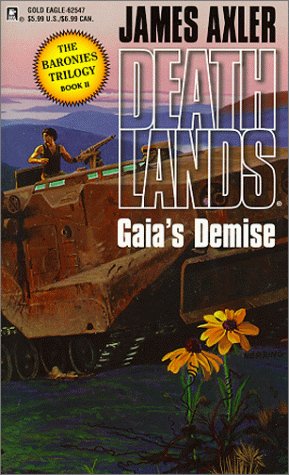
Gaia's Demise
Gaia's Demise
James Axler
RAdult 18+
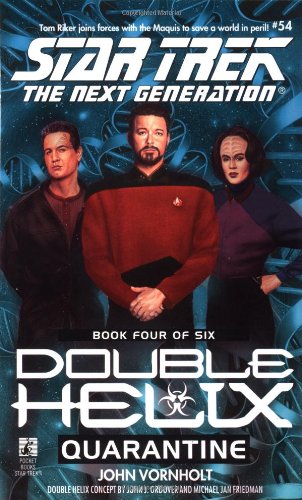
Quarantine
Quarantine
John Vornholt
PG-13Adult 18+

About the Hostile Planet trope

Some of science fiction's tensest stories have no antagonist at all, only a place that will kill you the moment you stop paying attention. The hostile planet turns setting into adversary: an atmosphere you cannot breathe, a temperature that flays, gravity that pins you to the floor. Andy Weir's The Martian is the modern touchstone, a survival thriller in which Mars never acts with intent yet nearly wins anyway, and every chapter is a fresh engineering problem standing between a man and a slow death. Frank Herbert's Dune makes Arrakis a character in its own right, its sand and heat and worms shaping every culture that dares to live there.

The appeal is the purity of the contest. Stripped of a human enemy, the drama becomes competence against indifference — can these people out-think a world that was never designed for them? Hal Clement built a career on this premise, engineering planets with outlandish gravity and chemistry and then asking how anyone could possibly survive. The hostile planet rewards problem-solving, resourcefulness, and nerve, and it punishes panic and arrogance without prejudice. It is science fiction in its most hands-on register, where the speculative element is simply this: what if the ground beneath you wanted you dead?

Distinct from a generic survival story, the hostile planet foregrounds the alien specifics of an unearthly environment — the exact ways this world differs from home, and the exact ingenuity required to answer them. It differs from the colony world, where the question is how to build a society, by keeping the stakes individual and immediate: not how to thrive here, but how to live until tomorrow. When it works, you finish the book breathing a little easier, quietly grateful for an atmosphere you never otherwise have to think about. Peter Watts and Stephen Baxter have both mined the same vein, and the lethal world shows no sign of going out of fashion as long as space remains so eager to kill anyone who ventures into it.

Why readers love it

  • Environment as relentless antagonist
  • Ingenuity against indifferent nature
  • Survival as a problem to solve
  • Awe at unearthly, lethal worlds