Content levels
Trigger warnings
Positive tags
Hero archetypes
Protagonist archetypes
Themes
Synopsis
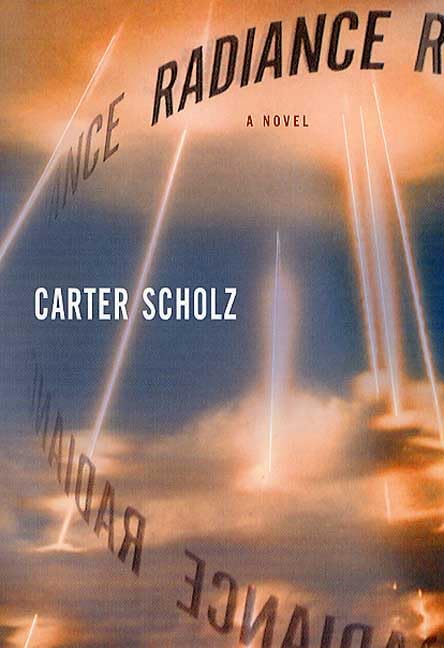
Born from the threat of nuclear weapons comes a program to build an impenetrable defense against them. The technical obstacles are enormous, the costs exorbitant, and the results dubious. Philip Quine didn't come to the Lab to work on weapons, but his expertise with X-rays leads him to Superbright, in theory an orbital battle-station to shoot down missiles, in reality little more than spotty test data. Superbright is only the beginning, as Quine is drawn further away from the pure physics he set out to do and deeper into the machinations of those who would use the Lab for their own monetary or ideological advantage. Radiance is a brilliant and entertaining exposé of the way in which the bright hopes and fond dreams of talented scientists are turned on the grindstone of political expediency until all that remains are the rough deceptions of self and nation.
Tags
Is Radiance appropriate for my child?
Suitable for most readers 16 and up.
This literary science fiction novel explores the ethical compromises scientists make when drawn into weapons development and political machinations. The focus is on institutional corruption and moral ambiguity rather than action or explicit content.
What to know going in
This book has no graphic violence, no sexual content, and mild language. Content notes include manipulation, deception, and power imbalance.
Who'll love this
Readers interested in how science intersects with politics and the ethical dilemmas faced by researchers in defense work will find this thought-provoking.